Not many situations are as frustrating as standing outside your home, office or car without a way to get back inside. Sometimes the cause is simple, like leaving your keys inside. Other times, the lock, key or electronic system has developed a fault that leaves you unexpectedly locked out.
Although being locked out of your home or your car are different circumstances to find yourself in, the first steps to take are surprisingly similar. The first thing to do is to stay calm, check obvious access points and don’t make any hasty decisions. You can prevent a straightforward situation from becoming a bigger repair than necessary. Failed attempts often turn cost more than just calling a locksmith originally.
We’ll explain what to check first, what to avoid doing and what the likely cause of the problem is. We also cover when a professional locksmith is the safest and most cost-effective solution. Whether you’re locked out of your car, your house or commercial premises, understanding what’s happened should be your first priority.
First Checks To Do, Before Anything Else
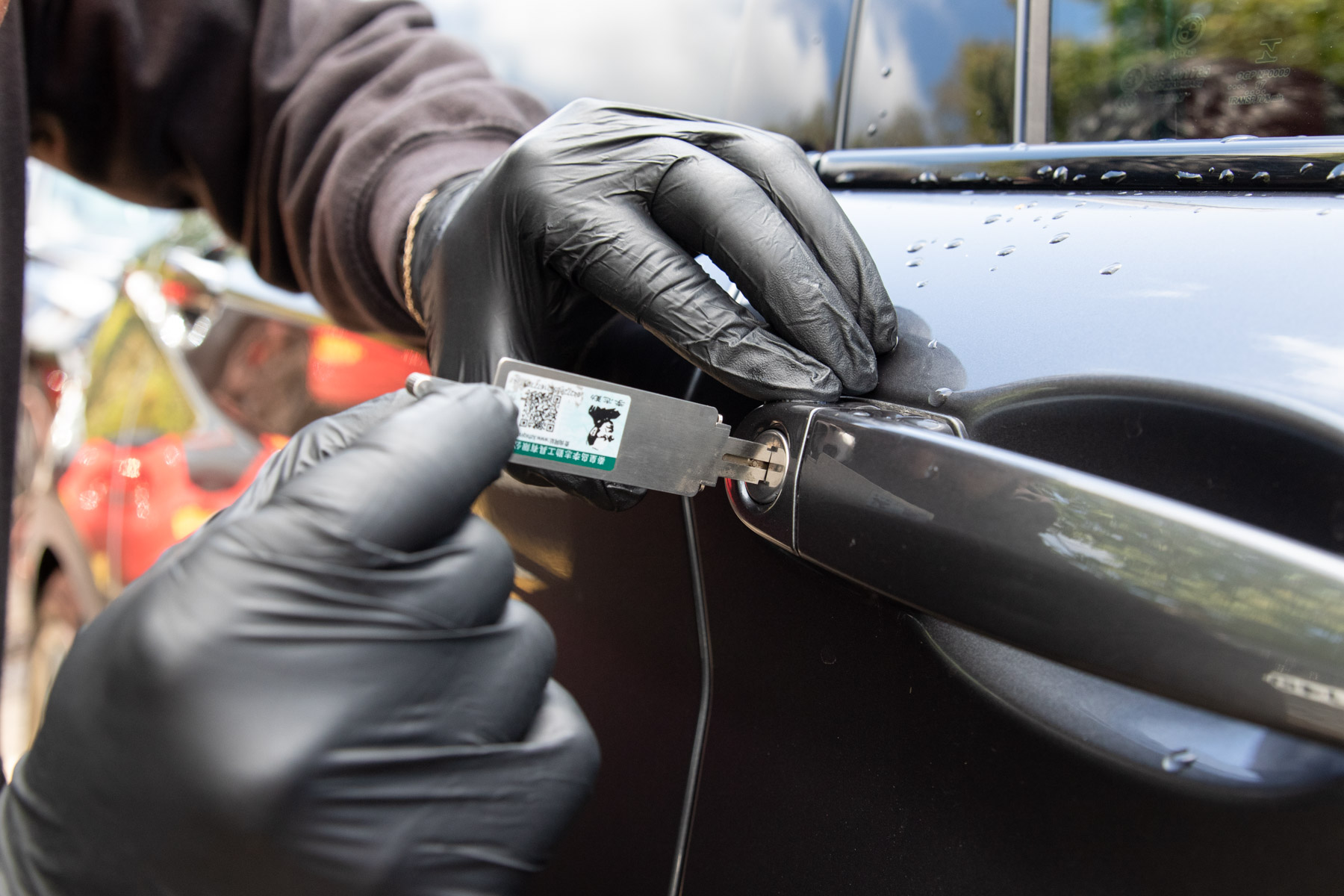
If You’re Locked Out of Your Vehicle
Vehicle lockouts can happen for more than one reason, espcially with modern cars that rely on complex keys and remote locking systems.
The first question to answer is, have you got a spare key? Many owners keep one at home or with a local family member. If getting hold of the spare key is practical, this is often the quickest solution in most cases.
If you have your key with you but the car won’t unlock, try to find out whether the issue is with the central locking or with the key itself.
For example, ask yourself:
-
Does the remote unlock any of the doors?
-
Do the indicators flash when you press the buttons?
-
Will the mechanical emergency key open the driver’s door if your vehicle has one?
-
Has the key fob battery recently become weak, needing several button presses before it worked?
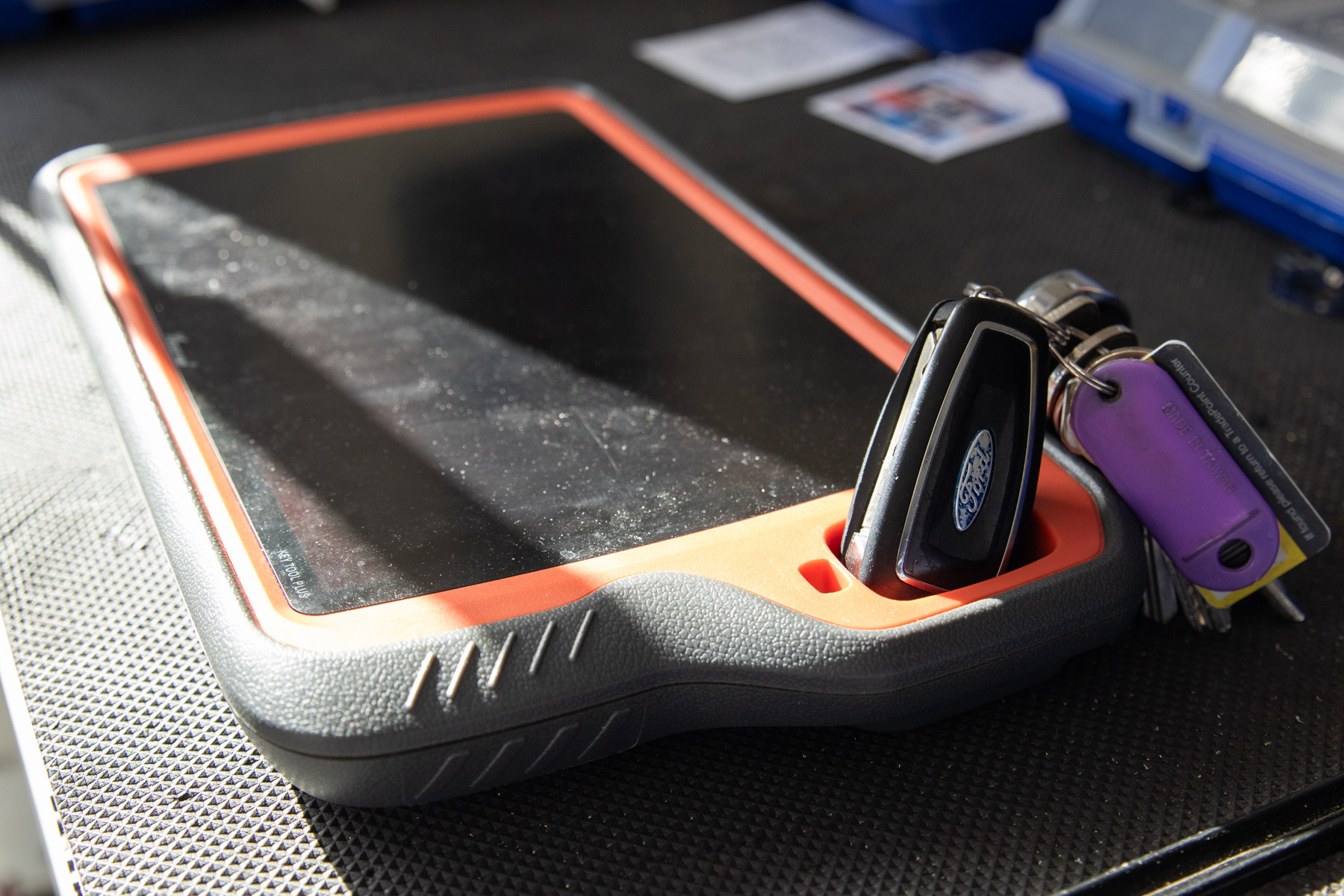
Sometimes the problem can be as simple as a flat key fob battery. In other cases, the vehicle doesn’t recognise the key because of a fault with either the key or the vehicle’s immobiliser system.
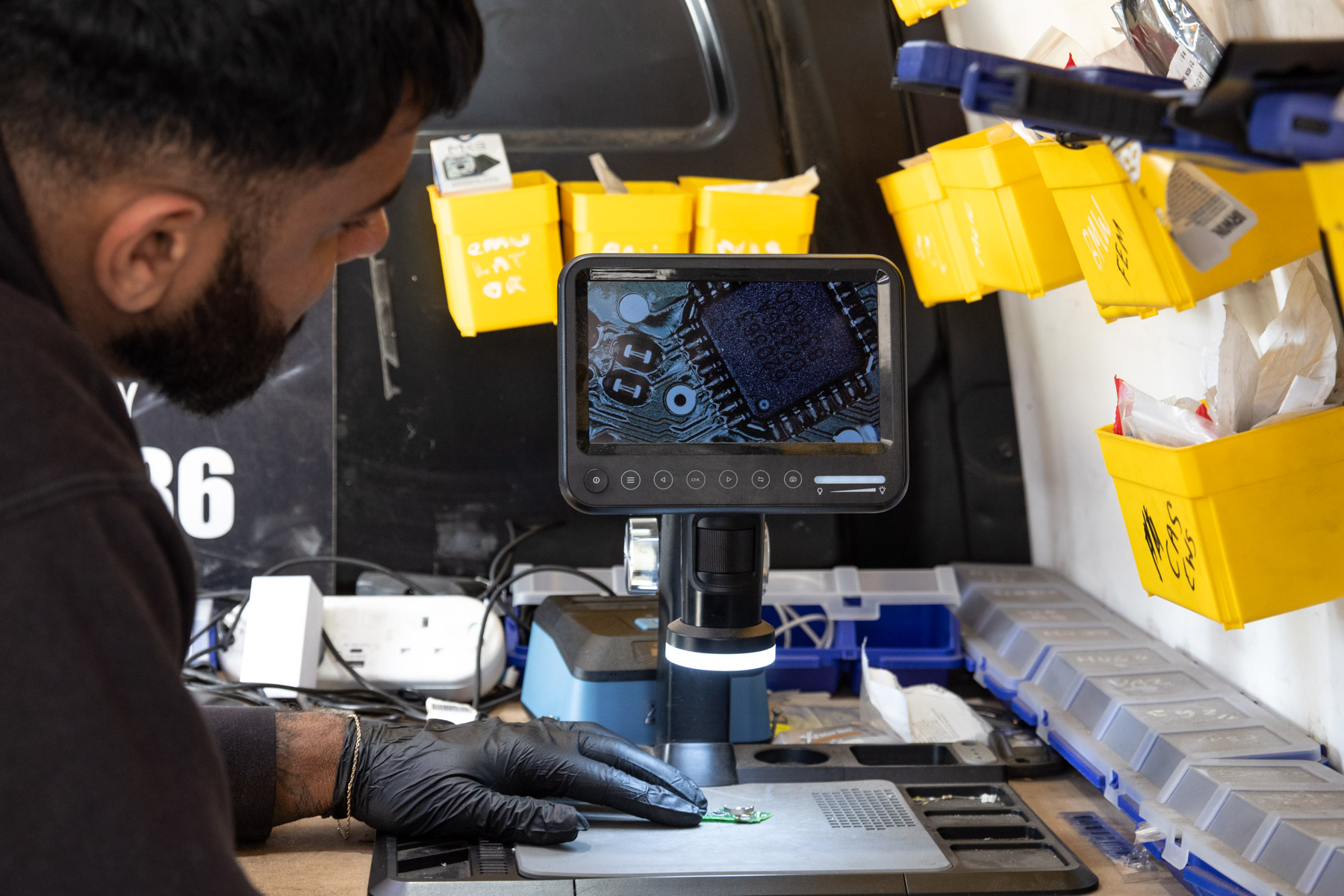
It’s not uncommon for problems to lie within the vehicle’s ECU system. The sequence of faults that lead to a vehicle lockout often determines the extent of the repair required. In more severe cases, ECU replacement and cloning can be required to resolve synchronisation and immobiliser faults.
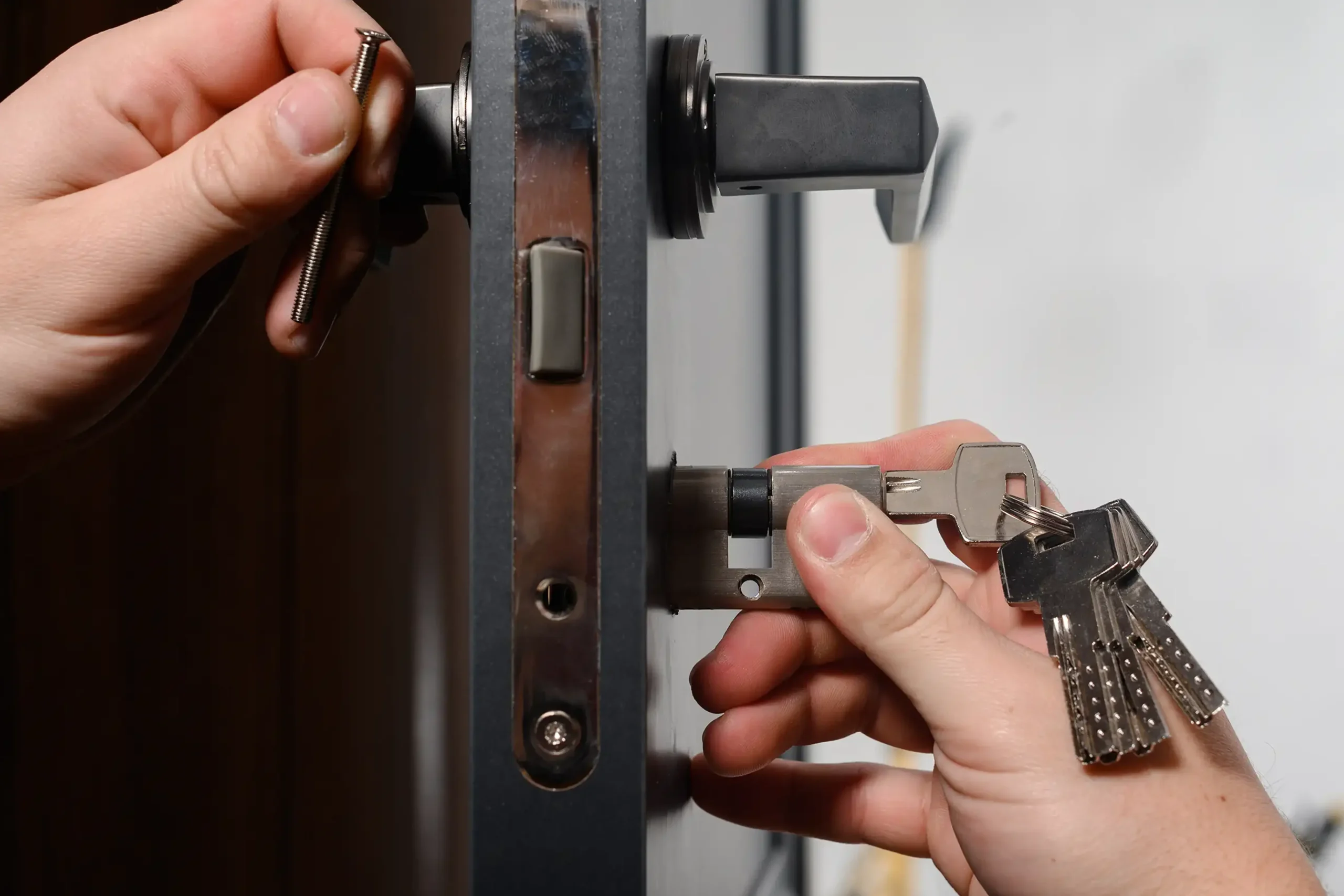
If the key has snapped in the door lock or ignition, don’t try to extract it using general DIY tools, this often pushes the broken blade further inside. A professional locksmith will remove the broken key and cut a new replacement key blade all within a single visit.
If You’re Locked Out of Your Home
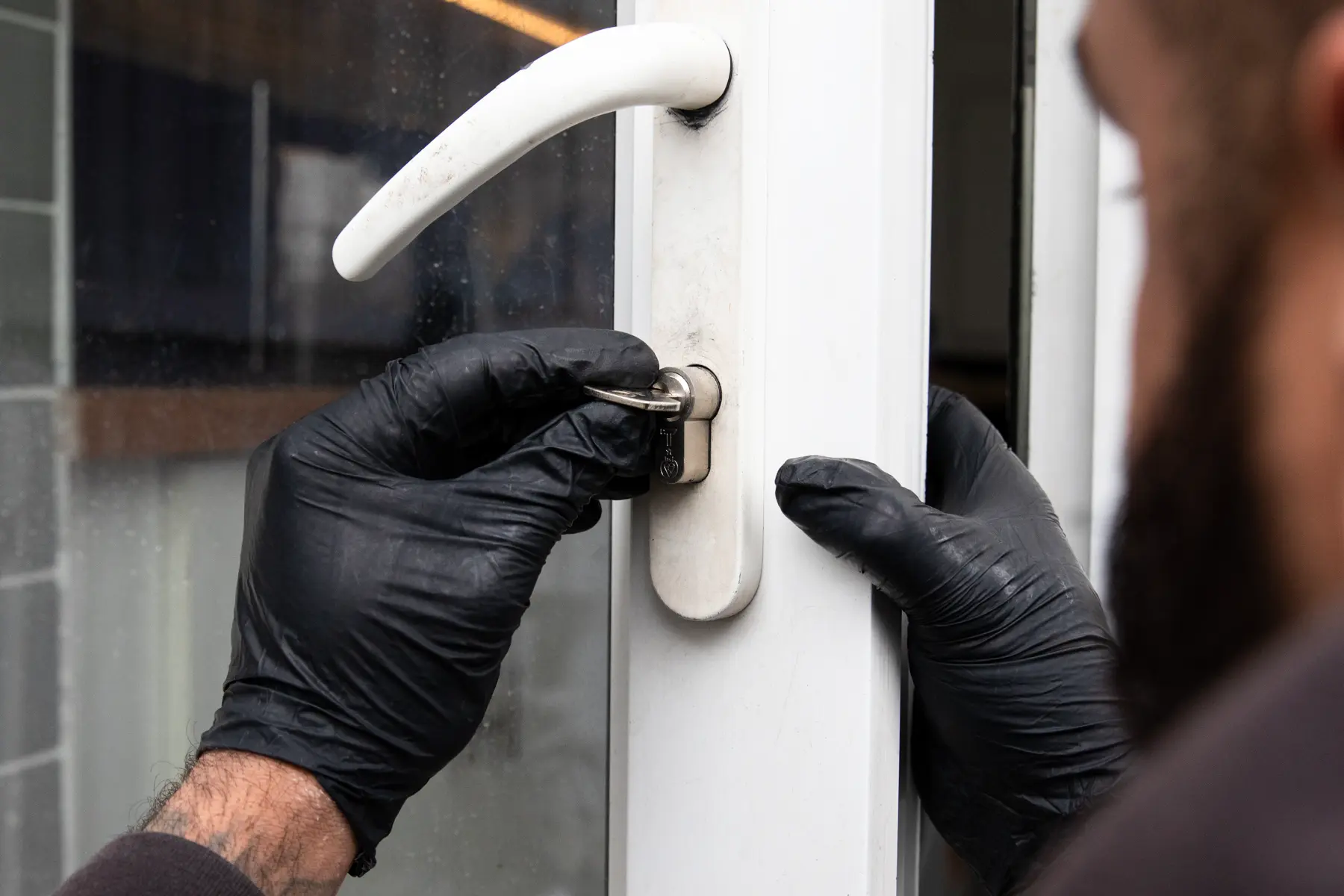
Check whether the problem is actually a lockout or a lock fault before calling for emergency assistance. Always start with the obvious things.
Have you checked all external doors? It’s worth taking a few minutes to check every entry point around your property, even those you don’t use often. It’s surprisingly common for a side or back door to be left unlocked. You should also check any ground floor windows that you can access safely, as one is may be open enough to allow some form of access. Whatever you do though, avoid trying to force anything open, as this can often cause unnecessary damage.
Next, think about who might already have access to your property.
Do you have a trusted family member, neighbour or friend who has a spare key? If you rent your property, your landlord or letting agent may also have a management key or spare key that’s kept secure in a key safe.
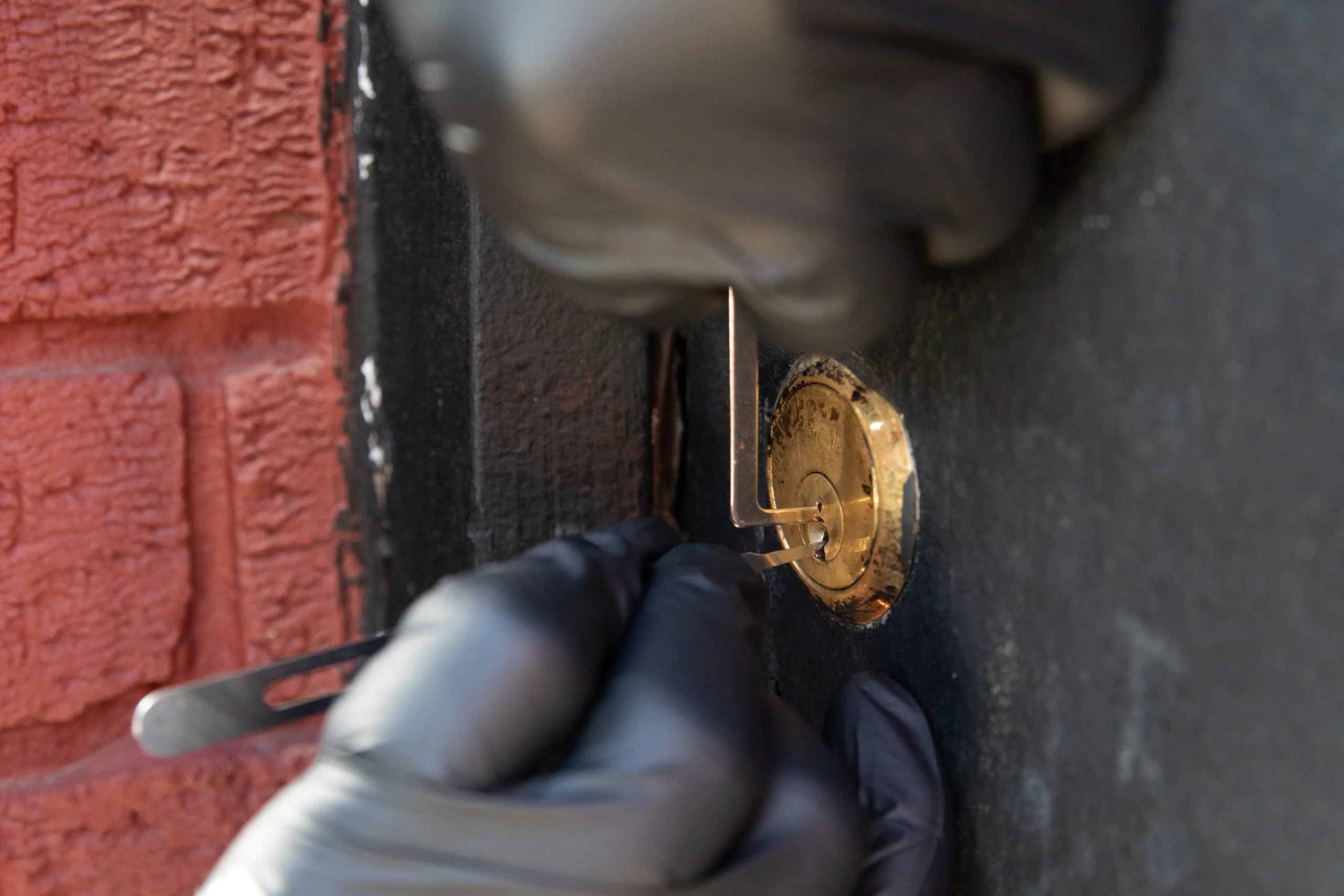
If your key is still in the lock but won’t turn, or you’ve snapped it inside the cylinder, the situation is slightly different. At this point, the issue is no longer simply being locked out. It becomes a lock or key failure, which usually requires specialist tools to resolve the problem safely.
Taking a few minutes to work out which situation you’re dealing with can save unnecessary time and expense.
What Not to Do
When people find themselves locked out, it’s understandable to want a quick solution. Unfortunately, many of the methods promoted online create much bigger problems than the original lockout. Not always just for yourself, if you’re causing further delay and work for a professional, that’s likely to cost you on the overall time spent resolving the issue.
At Home
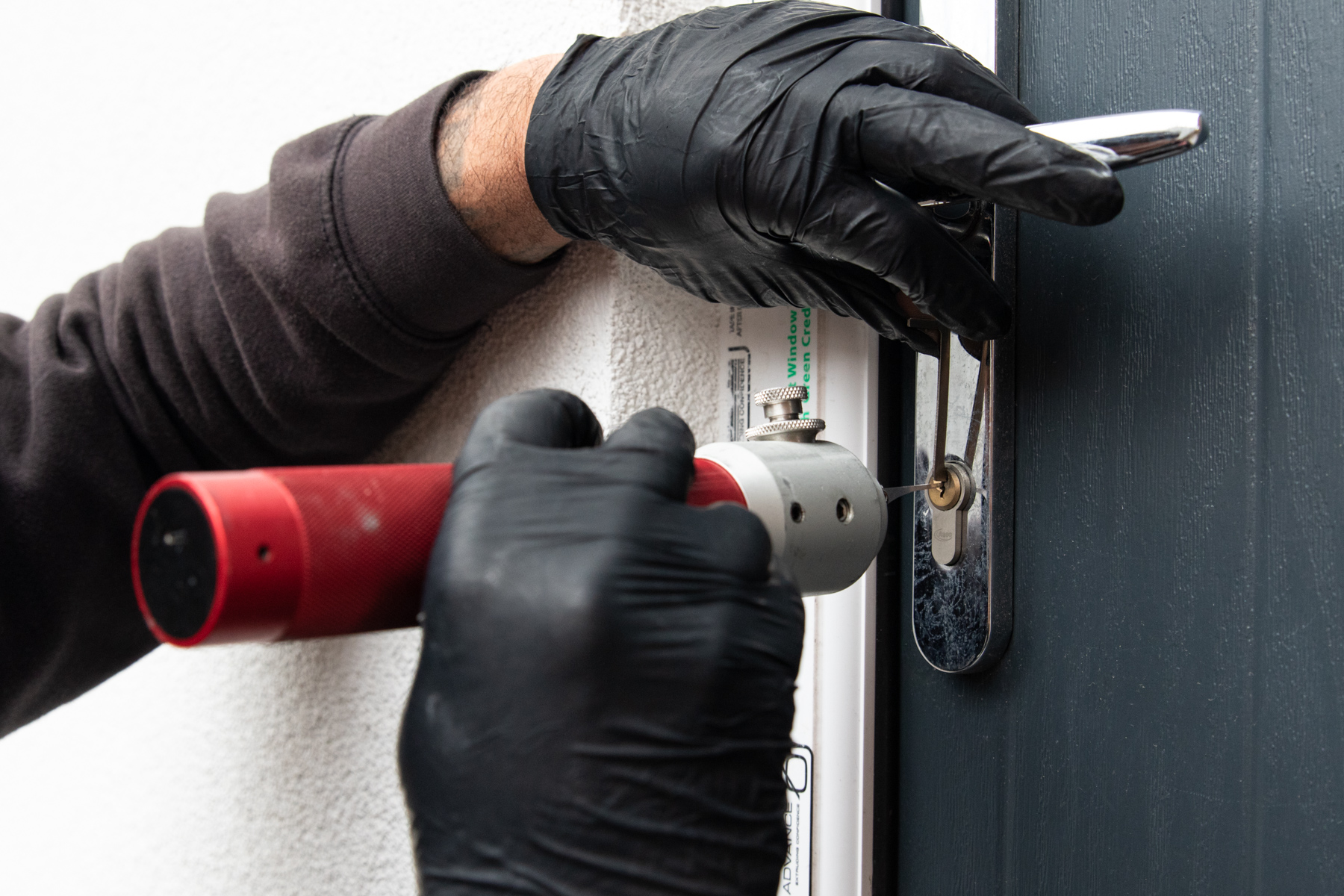
One of the oldest tales is that a plastic credit card can open almost any front door. While this has been known to work on very old spring latch doors under some circumstances, modern front doors fitted with multipoint locking systems, deadlocks or anti-snap cylinders simply don’t work this way. Repeated attempts usually achieve nothing except damaging the door frame or weather seals. People can sometimes try lock picking, too. This, however, can cause more damage without the correct lock-picking tools and knowledge.
Another mistake we see is people trying to force a uPVC door open. It’s understandable when you’re locked out, but it can do more harm than good. Most uPVC doors use a multipoint locking system with an internal gearbox. If you force the handle or try to prise the door open, you can end up damaging the mechanism inside. What could have been a straightforward lockout will often then turn into a complete lock repair or entire door replacement.
Drilling a lock should never be your first response. Once a cylinder has been drilled, it always requires replacement, even if the original problem was something relatively minor such as a key left inside. Drilling is sometimes necessary when a lock has completely failed, but it’s generally considered a last resort rather than the DIY starting point.
With Your Vehicle
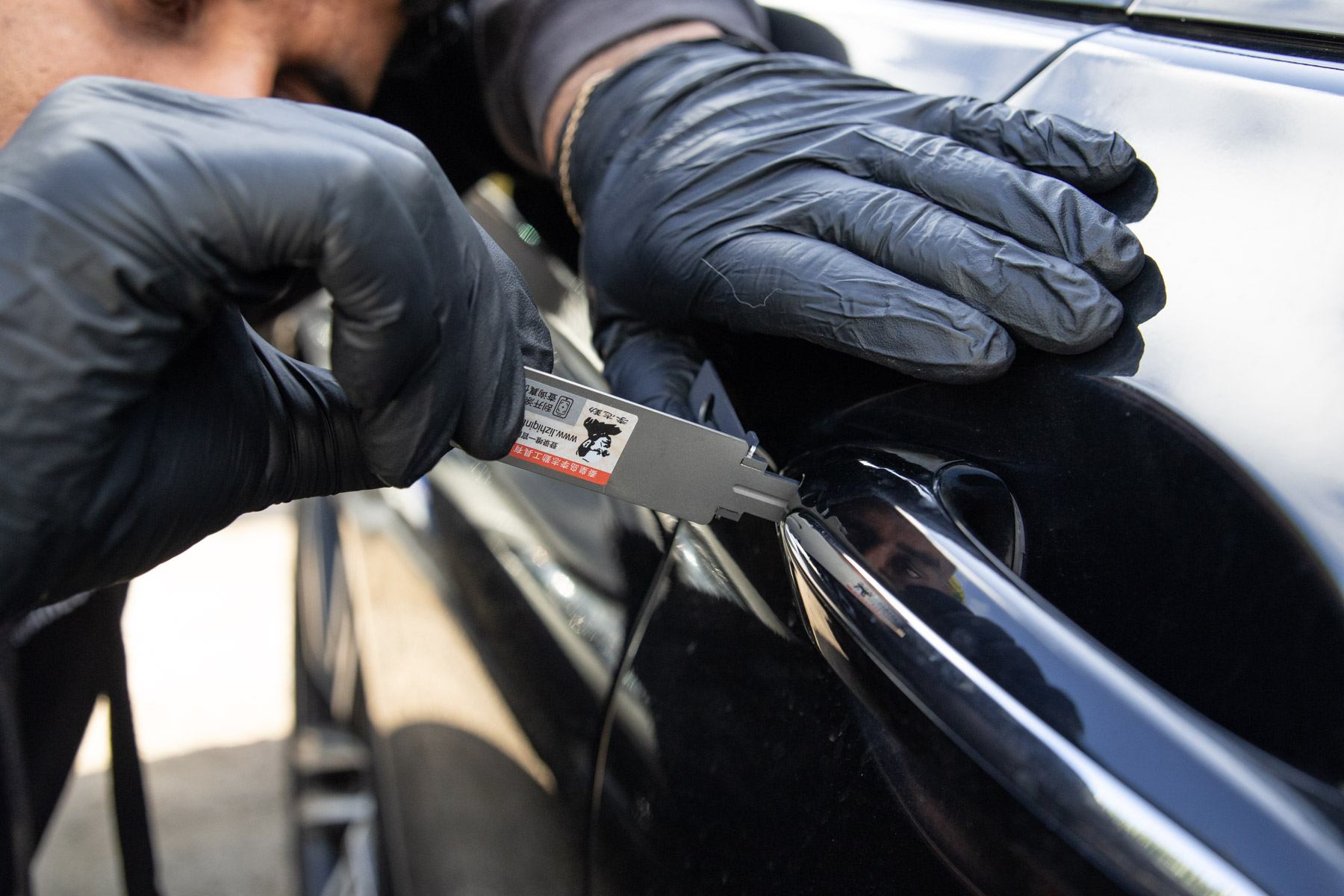
It’s understandable why people try DIY methods they’ve seen online, but they rarely tell the full story. Modern vehicles are fitted with keyless entry systems, sensitive electronics, airbags and delicate door seals. Using improvised tools to try and unlock the car can easily cause damage that wasn’t there to begin with, from scratched paintwork to dented door sills and damaged seals.
Breaking a window is another decision that often creates more expense beyond just replacing the glass. Some modern vehicle windows incorporate sensors and heating elements which often require further calibrations and specialist tools when replacing.
Another misconception is disconnecting the vehicle battery to “reset” a key that has stopped talking to the immobiliser. Unless you already know what’s causing the fault, disconnecting the battery can create additional problems, including the loss of vehicle settings or fault codes, while doing nothing to solve the original issue. It’s usually better to have the fault diagnosed by a professional auto locksmith, who can determine whether the problem lies with the key or the vehicle itself.
Working Out What Has Actually Gone Wrong
Not every lockout has the same cause. Understanding the difference helps determine what solution is needed.
Property Scenario 1: The Keys Are Inside
This is probably the most straightforward situation. The lock itself is working correctly, but the only available key is inside the property. Provided the lock hasn’t been double locked or developed a fault, this type of lockout can often be resolved without replacing any components, and fairly quick in comparison to some other situations.
Property Scenario 2: The Key Has Snapped or Become Stuck
Keys usually snap because of general wear, metal fatigue or increased resistance inside the lock. If part of the key remains inside the cylinder, avoid pushing anything else into the lock. This often makes any extraction much more difficult. Provided the lock itself hasn’t been damaged, removing the broken key may be all that’s required before cutting a replacement key.
Property Scenario 3: The Lock or Mechanism Has Failed
Sometimes the key turns but nothing happens. On uPVC and composite doors, this often points towards a failed multipoint locking mechanism or gearbox rather than the cylinder itself. Alternatively, the cylinder could have developed an internal fault preventing normal operation. These situations generally require diagnosis from a professional before deciding whether repair or replacement is the best option.
Vehicle Scenario 1: Your Keys Are Locked Inside
It’s easily done. Maybe you’ve put your keys on the passenger seat while loading shopping or they’ve been left in the boot before it closed behind you. The good news is, if the locking system is working normally, this type of lockout can often be resolved without damaging the vehicle or replacing any parts. Every vehicle is different though, so the safest approach depends on your vehicle make and model.
Vehicle Scenario 2: The Car Isn’t Recognising Your Key
Sometimes the problem isn’t that you’ve locked your keys inside at all. Instead, the car isn’t responding to the key you’re holding. Before assuming the key has failed completely, think about what’s been happening recently. Has the remote been getting less reliable? Have you had to press the buttons more than once? If so, the battery inside the key fob could just be running flat. If a new battery doesn’t solve the problem, the fault is likely to be with the key itself or the vehicle’s immobiliser system. With it being difficult to diagnose any further without access to the vehicle and diagnostic equipment, it’s best to call an experienced auto locksmith to diagnose further.
Vehicle Scenario 3: The Key Has Snapped
Although less common than with home locks, vehicle keys can still break. This may happen in a traditional door lock or occasionally in the ignition on older classic vehicles. Removing the broken blade safely usually requires specialist extraction equipment and a steady hand, particularly when the lock remains otherwise functional.
When Should I Call a Locksmith?
Once you’ve ruled out the simple possibilities, professional locksmith assistance often becomes the safest option to gain emergency access quick. For both properties and vehicles, the aim is generally non-destructive entry. This means gaining access while protecting the lock, door, vehicle and surrounding components wherever possible.
Whether non-destructive entry is achievable depends on the type of lock, the condition of the mechanism and the reason for the lockout.
For residential properties, modern anti-snap cylinders and high-security locking systems can sometimes increase the complexity of entry, although they also provide better protection against any unwanted intruders.
With vehicles, different manufacturers use different lock and immobiliser systems. Some are more straightforward than others, while certain models require additional diagnostic equipment if the problem lies with the electronic key rather than simply gaining entry.
Where a lock or key has genuinely failed, replacement parts may still be required after access has been gained. However, preserving the surrounding door or vehicle components usually keeps repair costs significantly lower than forced entry.
How to Avoid Getting Locked Out
Although nobody expects to be locked out, a few simple habits can greatly reduce the chances.
Homes and Accomodation
Keeping a spare key with a trusted neighbour or family member is usually much safer than hiding one underneath a flowerpot or doormat. Did you know that these are 2 of the first places opportunistic burglars check?
If regular access is needed for relatives or carers, consider installing a police-approved key safe. These provide secure external key storage without leaving keys exposed.
It’s also worth replacing worn keys and locks before they become difficult to turn, as increase in resistance can often indicate the early stages of lock wear.
Vehicle Maintenance
If you only have one working car key, it’s worth getting a spare made before you actually need it.
Many people only look into a replacement after they’ve lost their only key, which is not only more stressful, but can often be more expensive as well.
It’s also worth replacing the battery in your key fob every few years, especially if you’ve noticed the buttons becoming less responsive or you have to stand closer to the car for it to work. These are typical signs that your key batteries are getting low.
A battery change can often save you from being caught out when the battery does die, usually at an inconvenient time and place.
Finally, keep a note of your vehicle registration, VIN and key details somewhere safe. If you ever do lose your key, having this information to hand can make arranging a replacement a much quicker process.
Still Locked Out?
If this guide hasn’t helpled you gain access, a professional locksmith is the safest next step. AH Locktech covers emergency lockouts and scheduled key work across Telford, Shrewsbury, Newport and the wider Shropshire area, for vehicles, homes and businesses.
Vehicle work covers everything from simple key replacement through to immobiliser faults, ECU cloning and key fob programming for a range of makes and models. For properties, the same non-destructive approach applies, whether it’s a straightforward lockout or a lock that needs attention.
Anil attends every job personally, with no call-out charge and pricing agreed upfront before any work begins.